Hakeem Jeffries Doesn't Get It
Or worse yet, maybe he does.

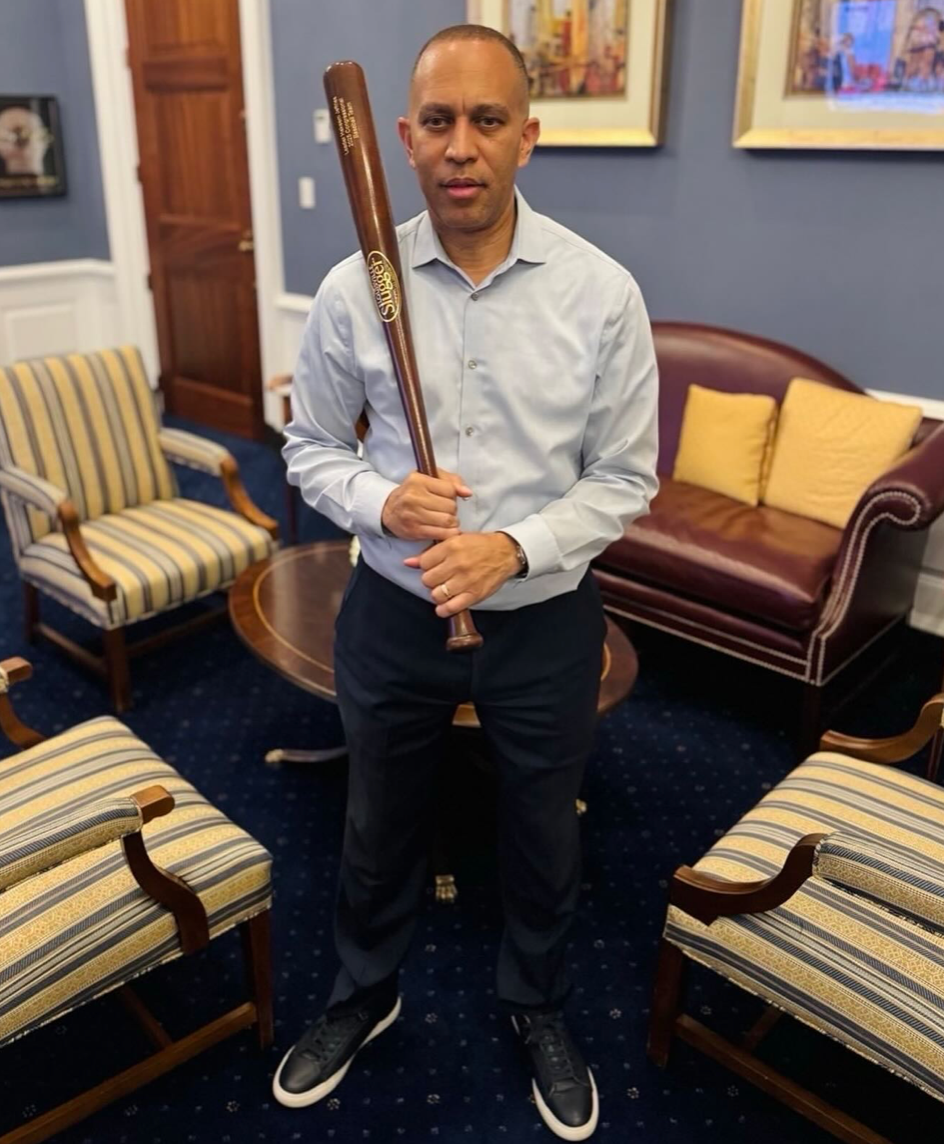
Like the rest of New York's Democratic old guard, Hakeem Jeffries has dedicated his life in public service to chasing voters who don't exist.
Jeffries, in the tradition of Chuck Schumer, tailors every talking point, every policy proposal to appeal to some imaginary American voter: A somewhat conservative white person who is perfectly moderate on all issues. This voter is OK with immigration, but only some. This voter wants affordable health care without abandoning a capitalist model of delivering that care. This voter is cool with abortion in some cases but not all. This voter had no choice but to vote for Trump three times because he had to undergo HR training at work and the lady told him not to use slurs and to respect his women coworkers.
Jeffries on Sunday continued chasing that imaginary (Republican) voter when he refused to commit his support to the outrageously popular Medicare For All and to abolishing the president's personal paramilitary more commonly known as ICE. He took these stances while the Republican president draws support from an extraordinarily low 18 percent of independents.
 Denny Carter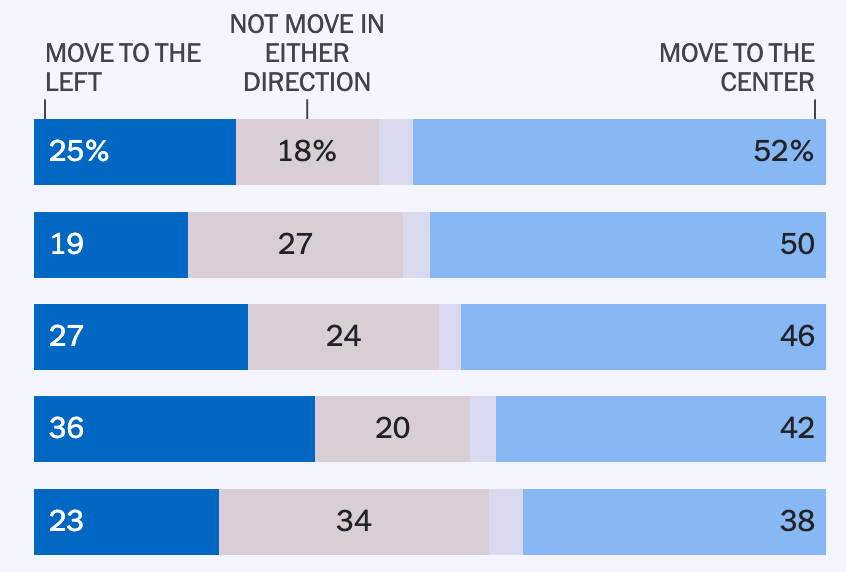
This can make sense if you consider for a moment that the imaginary voters that live in Jeffries' head would be squeamish about these proposals. Those imaginary Americans might want a kinder, gentler deportation machine. They might want cheaper, better healthcare for them and their loved ones but not for those they consider undeserving.
It's all a reminder, as I wrote back in December, that Jeffries has no grasp of our current moment or how the Democratic Party base has changed over the past 20 years. This is not the electorate that swept Democrats into power in the 2006 midterms. This is something entirely different: A party base bent on ramming through policies without a single negotiation with Republicans, one bent on vengeance for those who have ignored constitutional rule of law for the past 18 months and engaged in world-historic levels of corruption. Today's Democratic Party base is one that is (finally) finished with the niceties of Clinton-era politics.
Jeffries and his ilk are playing it safe in an era where playing it safe gives the edge to your more volatile opponent.
The modern fascist movement gets stronger (and more appealing) amid greater and greater volatility, the political and societal stressors that might be called unknown unknowns. Meanwhile, modern liberalism, steeped in technocratic jargon and a self-defeating belief that good faith will win the day, is deeply fragile. Liberalism as it is today weakens (and gets less appealing) as things go sideways, as the unknown unknowns make themselves known. Liberalism has almost no resilience to the volatility that defines modern politics. Fascism thrives on it. You might say liberalism has a political/electoral floor but lacks a ceiling. The curdled conservatism we call fascism has precious little floor and a horrifying ceiling.
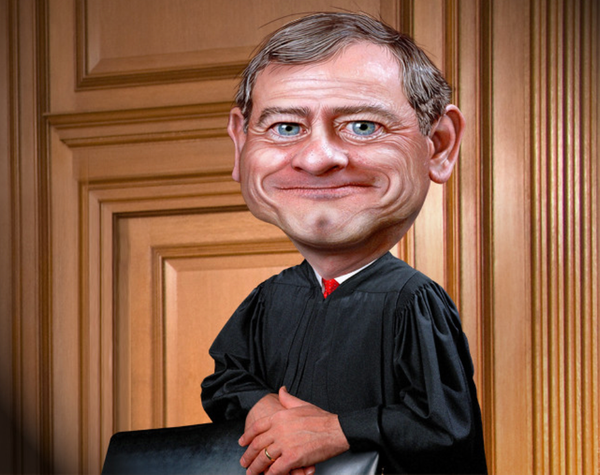
That Jeffries has no place as the top Democrat in the House should go without saying. He belongs to a bygone era, one in which a major American political party had not transitioned into an all-out authoritarian party determined to strip representative democracy down to the studs with the help of their anti-constitutional colleagues on the land's highest court.
I'm not discounting the idea that Jeffries chases these imaginary voters because he's paid handsomely to do so. He has to appeal to these so-called centrists because policies – particularly economic ones – that appeal to the real-life Democratic base would take a few dollars out of the pockets of his donors and those who fill the campaign coffers of Democratic candidates who run for office as Nicer Republicans. Jeffries and Schumer and others in the party's old guard can't acknowledge the base's shift or the imaginary voters dancing around in their heads will vanish, and they'll have no one to pitch their mealy-mouthed proposals.
Follow Denny Carter on Bluesky at @dennycarter.bsky.social.